Brunel University rubbish collection guide Uxbridge
Posted on 27/07/2026
If you are living, studying, clearing out a room, or helping a student settle near campus, rubbish has a way of appearing fast. One minute it is a few takeaway boxes and packaging; the next, it is bags by the door, broken chair legs, old bedding, and a pile of things you meant to sort "later". This Brunel University rubbish collection guide Uxbridge is here to make that part simpler. It explains what to do, what to avoid, and how to keep waste moving without turning your week into a mess.
Near Brunel, rubbish collection is not just about removing stuff. It is about timing, access, shared living, recycling, and avoiding complaints from flatmates, neighbours, or building managers. Let's face it, nobody wants a corridor that smells like last Friday's food waste. This guide walks through the practical side of collection and disposal, plus when a professional service such as rubbish removal in Uxbridge or waste clearance support makes more sense than trying to handle everything yourself.
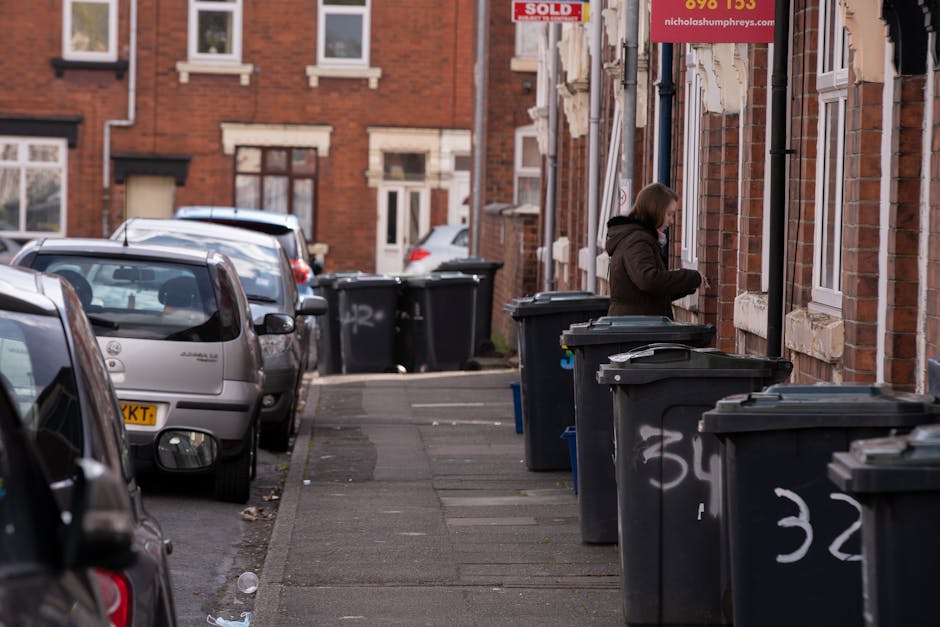
Why Brunel University rubbish collection guide Uxbridge Matters
University life creates a very specific kind of waste. It is not just household rubbish in the usual sense. You get study notes, printer paper, food packaging, broken hangers, old kitchen items, worn-out bedding, empty moving boxes, and the odd half-assembled flat-pack that looked easier online than it did in real life. In shared accommodation, waste builds up quickly because everyone assumes someone else will handle it. That never ends well.
For students and landlords around Brunel, a clear collection routine saves time, keeps shared spaces livable, and reduces the risk of overflowing bins or unnecessary fines. It also helps with recycling, which is easier to manage when waste is sorted early rather than dumped all together at the end of term. If you are in between moves, or clearing a room before summer, that sense of order matters more than people admit.
There is also the local reality of Uxbridge traffic, tight access roads, and busy student schedules. You do not always have the luxury of making endless trips to a tip. Sometimes the practical choice is simply the one that clears the space quickly and legally. If you are comparing options across a wider range of services, the site's services overview is a useful starting point, especially when you want to see how different clearance needs fit together.
Practical takeaway: the best rubbish collection plan near Brunel is usually the one that fits shared living, busy schedules, and proper sorting without adding stress. Simple, but not always easy.
How Brunel University rubbish collection guide Uxbridge Works
In practice, rubbish collection near Brunel usually falls into one of three patterns: normal household bin collection, student move-out clearances, or ad hoc removal for bulk waste. Each one works a little differently.
1. Everyday domestic waste
This is the weekly routine stuff: food waste, general rubbish, cardboard, bottles, and recyclables. In shared housing, the main challenge is consistency. If one person sorts their waste properly and another does not, the bin system falls apart fast. The fix is simple enough: agree on a shared routine and label bags or containers if you need to.
2. End-of-term and move-out waste
This is where things get busy. Students often leave behind mattresses, desks, damaged chairs, suitcases, clothes, and random bits that will not fit into normal bins. A collection plan needs to start before moving day, not on the morning you are locking the door for the last time. Otherwise you are doing a rushed sweep, which is rarely tidy and often more expensive.
3. Bulk or one-off collections
Sometimes the waste simply exceeds what normal collection can handle. Maybe a room has been renovated. Maybe a house share has had a deep clean. Maybe the pile includes builder's offcuts, old office furniture, or garden waste from a rented property. This is where a professional clearance service becomes a sensible option, particularly if you need same-day or scheduled pickup.
For larger jobs, it can help to understand the difference between house clearance in Uxbridge, office clearance, and general waste clearance. They overlap, but not completely. The more accurate your job description, the smoother the collection usually goes.
Key Benefits and Practical Advantages
Good rubbish collection is one of those things people only notice when it fails. When it works, life is just easier.
- Cleaner shared spaces: fewer smells, fewer pests, fewer complaints from flatmates or neighbours.
- Less stress at moving time: you are not scrambling with bin bags at the last minute.
- Better recycling habits: sorting waste properly helps you keep recyclable materials separate.
- More usable space: study rooms, bedrooms, and hallways feel bigger when they are not crowded with rubbish.
- Safer living conditions: less clutter means fewer trip hazards, especially in shared houses.
- Better use of time: if collection is organised, you spend less energy on disposal and more on actual life.
There is a quiet benefit too. A tidy environment feels calmer. That sounds a bit obvious, perhaps, but in a busy student area, it makes a real difference. You notice it in the morning when the kitchen is not a battlefield. You notice it at night when you can actually find the floor.
For people who are new to the area, reading about the wider context can be helpful too. The guide to Uxbridge life and local living gives a broader feel for the area, while the pros and cons of living in Uxbridge can help you understand why rubbish control matters in busier shared accommodation.
Who This Is For and When It Makes Sense
This guide is useful for a few different groups, and they all tend to face similar waste problems for slightly different reasons.
Students living in shared accommodation
If you are sharing with two, three, or six other people, rubbish collection can become a constant background issue. One person orders too much online, another cooks every night, and suddenly the bins are full on Tuesday. A plan helps. It really does.
Students moving in or out
Freshers arriving with boxes and pre-loved furniture need a quick way to get packaging under control. Final-year students leaving in a hurry often need bulk removal because they simply do not have time to transport everything home.
Landlords and property managers
End-of-tenancy waste is a common headache. Leftover furniture, broken items, and general clutter can delay cleaning and re-letting. If you manage properties around Brunel, having a reliable clearance option can save a lot of back-and-forth.
Local residents and small businesses
It is not only students. People living nearby, home workers, and small office spaces often need help with occasional rubbish loads, especially after refits, clear-outs, or post-event cleanups. If that sounds familiar, it may be worth looking at office clearance in Uxbridge or broader local waste services depending on the material involved.
When it makes sense to call in help
Professional collection makes sense when the waste is bulky, too heavy, too awkward, or simply too much for normal bins. It also makes sense when time matters. If you have a move-out deadline at 10am and a train to catch at noon, dragging old furniture around is not exactly a winning plan.
Step-by-Step Guidance
If you want a practical way to manage rubbish collection near Brunel University, use this straightforward process.
- Sort the waste into clear groups. Separate general rubbish, recyclables, food waste, bulky items, and anything potentially hazardous.
- Check what can go in normal bins. Do not assume every item is allowed just because it is small enough to fit. Bin capacity and collection rules matter.
- Flatten packaging. Cardboard and boxes take up a surprising amount of room when left whole. Flattening them saves space immediately.
- Remove reusable items first. If a kettle, chair, or shelf still has life in it, pass it on, donate it, or keep it for the next tenant if appropriate.
- Bundle bulky waste safely. Tape loose parts, protect sharp edges, and keep anything heavy low to the ground.
- Arrange pickup or clearance. For larger loads, book a collection window that fits your moving schedule. Try not to leave it until the final day. That always gets chaotic.
- Leave access clear. Make sure the collection team can reach the items without dragging waste through the entire property.
- Do a final sweep. Check cupboards, under beds, behind doors, and inside shared storage. People miss things all the time.
A useful rule of thumb: if you would not want to carry the item yourself down a staircase, it probably needs a better plan than a black bag and good intentions.
Expert Tips for Better Results
A few simple habits make rubbish collection far smoother, especially in student housing where the pace can be a bit, well, lively.
- Set a weekly waste check. A five-minute reset every week stops mess from building up.
- Use separate bags for different waste streams. Recycling becomes easier when it starts in the room, not at the bin.
- Label shared bins or containers. It sounds slightly over-organised, but shared homes benefit from clear systems.
- Keep a moving-day box for useful leftovers. Chargers, stationery, cleaning spray, and unopened items can all be reused.
- Photograph bulky items before collection. This helps if you need to explain the load to a service provider.
- Book earlier than you think you need to. Especially around term changes, availability can tighten quickly.
One small habit that helps more than people expect: keep a bag or box near the desk for paper waste, batteries that need separate handling, and random bits that would otherwise end up everywhere. It is boring. Also very effective.
If you are budgeting around a move or clear-out, the site's pricing and quotes page can help you understand how cost is usually approached. If your concern is not just rubbish but how it gets handled, the insurance and safety information is worth a look too.

Common Mistakes to Avoid
Most rubbish problems around Brunel come down to a handful of repeated mistakes. The good news is that they are easy enough to avoid once you know what to watch for.
- Leaving everything for move-out day. Rubbish piles up faster than people think. Start early.
- Mixing recyclable and general waste. Once everything is muddled together, sorting becomes much harder.
- Ignoring bulky items. One broken bed frame can disrupt an entire clean-up.
- Overfilling bags. Heavy, split bags are awkward to carry and unpleasant to clean up.
- Forgetting access issues. Tight stairwells, locked gates, and parking restrictions can slow collection down.
- Assuming someone else has arranged it. In shared houses, this is a classic. Usually not true.
Truth be told, the biggest mistake is thinking rubbish will somehow sort itself out by tomorrow. It rarely does. It just becomes a slightly bigger problem with better posture.
Tools, Resources and Recommendations
You do not need fancy equipment to manage most waste near Brunel, but a few basics help a lot.
- Strong bin liners: especially useful for food waste and mixed household waste.
- Reusable boxes: better than flimsy bags for books, cables, and small household items.
- Marker pen and labels: useful when several people are sharing the same space.
- Gloves: helpful for old packaging, garden waste, and awkward clear-outs.
- Dustpan and brush: for the bits that always seem to escape during a move.
- Collection plan: yes, that counts as a tool. A simple written plan saves arguments later.
If the waste type is more specific, match the service to the job. Garden cuttings call for garden waste removal. Building debris belongs in builders waste disposal. General clutter from a room or flat may be better suited to general rubbish removal. That distinction matters more than you might think.
For anyone thinking long term about the area, there is also useful background reading on local life and property. The articles on purchasing property in Uxbridge and investing in Uxbridge real estate show how waste and clearance routines often become part of wider property planning, especially for landlords and move-in/move-out situations.
Law, Compliance, Standards, or Best Practice
When handling rubbish, the main thing is to stay careful and sensible. In the UK, waste must be disposed of responsibly, and that means not dumping items illegally, not leaving waste where it blocks shared access, and not passing hazardous material into the wrong stream. You do not need to become a compliance specialist, but you do need a basic respect for the rules.
Best practice is usually straightforward: separate waste where possible, keep recyclable items clean and dry if you can, and treat anything sharp, heavy, or contaminated with extra care. If you are arranging removal through a company, it is reasonable to expect clear communication about what they take, how they handle waste, and what happens to the material after collection.
For student housing and shared accommodation, the practical side matters too. Housemates should agree on disposal responsibilities, especially if one person is leaving early or the property will be handed back to a landlord. That is not legal theory, just common sense. And frankly, common sense saves a lot of awkward group chat messages.
If you want reassurance on business practices, the site's terms and conditions, privacy policy, and cookie policy cover the basics of how online services are presented and handled. There is also a modern slavery statement for readers who value ethical supply-chain awareness, and an accessibility statement for users who want to know how the site is made more usable for everyone.
Options, Methods, or Comparison Table
There is no single right way to manage rubbish near Brunel. The best method depends on the type of waste, how much of it you have, and how quickly it needs clearing.
| Method | Best for | Pros | Limits |
|---|---|---|---|
| Normal household bin collection | Routine everyday waste | Simple, low effort, predictable | Not suitable for bulky or excess items |
| Self-disposal | Small loads, flexible schedules | Full control, no booking required | Time-consuming, transport needed, can be tiring |
| Professional rubbish removal | Bulky waste, urgent clear-outs, mixed items | Fast, convenient, suited to bigger jobs | Usually costs more than doing it yourself |
| Specialist clearance service | Houses, offices, garden waste, builders waste | Matches the waste type more precisely | You need to choose the right service |
Most people near Brunel end up using a mix of these methods. Routine waste goes through standard collection. End-of-term clutter may need a larger pickup. Renovation waste needs a specialist approach. That combination is usually the most practical, and it stops you from overpaying for the wrong solution.
Case Study or Real-World Example
A common situation goes like this. A three-person student house near Brunel reaches the end of the academic year. One room is packed with cardboard from online deliveries, another has an old mattress, and the shared kitchen has broken utensils, duplicate pans, and a fridge shelf nobody claims. Everyone says they will sort it "tomorrow". Of course, tomorrow is always slightly too late.
They start by separating what can be reused from what really needs disposal. Two chairs still work, so they are passed on. Cardboard is flattened. Food waste is bagged separately. The mattress and a damaged desk are set aside for collection. Because the team did not leave it to the last hour, access stays clear and the process is calmer. No drama, no frantic lifting in the rain, no arguments about whose suitcase that was.
The outcome is simple: the flat is easier to clean, the deposit return is less stressful, and the move-out day feels manageable. Not magical. Just manageable. And that counts for a lot.
Practical Checklist
Use this checklist before arranging any rubbish collection near Brunel University.
- Have you separated general waste, recycling, and bulky items?
- Have you checked which items can go in regular bins?
- Are any items reusable, donateable, or passable to the next tenant?
- Have you flattened boxes and reduced volume where possible?
- Are heavy or sharp items packed safely?
- Is access to the property clear for collection?
- Have you checked timing against move-out or handover deadlines?
- Do you know whether you need a general or specialist service?
- Have you confirmed any safety concerns, such as damaged furniture or contaminated waste?
- Have you done a final room and cupboard check?
If you can tick most of those off, you are already ahead of the usual last-minute scramble.
Conclusion
Brunel University rubbish collection in Uxbridge is really about staying organised in a busy, shared, fast-moving environment. Whether you are a student, landlord, housemate, or local resident, the same principles apply: sort early, plan ahead, separate waste properly, and choose the right removal method for the job.
Handled well, rubbish collection stops being a headache and becomes just another task you quietly get done. That is the goal, after all. A cleaner room, a calmer house, and one less thing hanging over your head on a busy day.
If you are comparing options or planning a bigger clear-out, it helps to look at the broader service picture, check the details, and choose the route that fits your schedule and waste type. Small decisions make a big difference here.
Get a free quote today and see how much you can save.



 Tipper Van - Rubbish Collection and Rubbish Removal Prices in Uxbridge, UB8
 Luton Van - Rubbish Collection and Rubbish Removal Prices in Uxbridge, UB8