






UB8 bulky waste pickup zones and rubbish rules
Posted on 02/09/2026
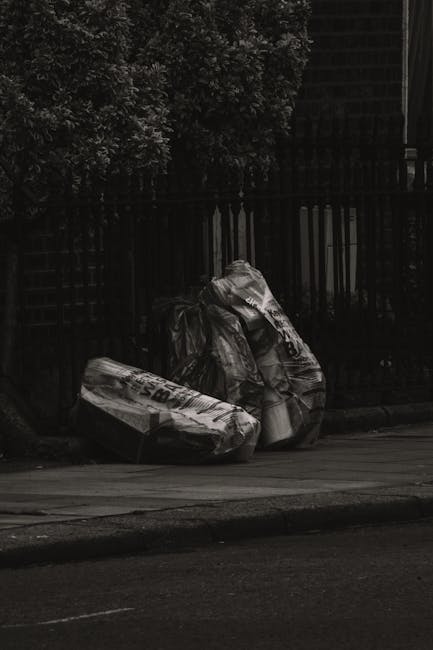
UB8 Bulky Waste Pickup Zones and Rubbish Rules: A Practical Local Guide
If you live, rent, run a business, or manage property in UB8, bulky waste can become a surprisingly awkward chore. One week it is a broken wardrobe in the hallway; the next, it is a tired sofa, garden trimmings, or a pile of packaging from a move. The issue is rarely the waste itself. It is understanding the UB8 bulky waste pickup zones and rubbish rules well enough to stay compliant, avoid mess on the pavement, and get rid of items without turning the street into an obstacle course.
This guide breaks the topic down in plain English. You will learn how bulky waste pickup zones generally work, what counts as bulky rubbish, how to prepare items properly, and what mistakes tend to cause delays or complaints. We will also look at when council-style collection logic makes sense, when private clearance is faster, and how to choose the right approach for a flat, house, shop, or shared property. Truth be told, a little planning here saves a lot of hassle later.
Quick navigation
- Why UB8 bulky waste pickup zones and rubbish rules matter
- How the system works in practice
- Key benefits and practical advantages
- Who this is for and when it makes sense
- Step-by-step guidance
- Expert tips for better results
- Common mistakes to avoid
- Tools, resources and recommendations
- Law, compliance, standards and best practice
- Options, methods and comparison table
- Case study or real-world example
- Practical checklist
- Conclusion
- Frequently asked questions
Why UB8 bulky waste pickup zones and rubbish rules Matter
Bulky waste is one of those jobs that feels simple until you start moving it. A mattress is hard to manoeuvre through a narrow hallway. A chest of drawers can scratch a wall. A broken appliance can leak, snag, or become unsafe to lift. In a busy area like UB8, where homes, flats, shared driveways, shops, and student accommodation can sit close together, the rules around placement and timing matter more than people think.
The phrase "pickup zones" is important because bulky waste collection is often tied to location, access, and collection format. Even if the rules are not always called "zones" in a formal sense, the practical reality is the same: where your property sits, whether the item can be left at the kerb, whether access is shared, and whether the item meets collection criteria will all affect what happens next.
That matters for three reasons. First, it reduces missed collections. Second, it helps keep pavements clear and neighbours happy. Third, it lowers the risk of someone being left with a refused collection and a pile of furniture sitting outside for days. Not ideal. Especially when the weather turns damp and the cardboard starts to sag at the edges.
For households comparing disposal options, it can also help to understand broader service routes. A simple visit to the site's services overview can clarify whether bulky waste, mixed rubbish, or a more complete clearance solution is the better fit for the job at hand.
How UB8 bulky waste pickup zones and rubbish rules Works
The practical process is usually straightforward, but the details matter. A bulky waste collection normally focuses on large household items that do not fit into regular bins or standard household recycling. Think furniture, mattresses, white goods, and other oversized items. Different providers may accept different categories, so always check the item list carefully before you put anything out.
In UB8, the key questions are usually these:
- Can the item be collected from the front of the property, or must it be brought to a specific point?
- Is access clear enough for collection crews or vehicles?
- Does the item need to be bagged, tied, dismantled, or separated from other waste?
- Is the waste classed as furniture, general rubbish, garden waste, or something more specialist?
- Does the property sit in a shared block, a terrace, a high street location, or a restricted access road?
That last point is a big one. A flat above a parade of shops behaves very differently from a detached house with a side passage. If you are dealing with mixed materials after a move, a shop refit, or a student tenancy changeover, it can be more efficient to look at a broader waste removal option rather than trying to force everything into one bulky-waste category.
For larger clearances, many people in UB8 find it useful to compare a dedicated house clearance service in Uxbridge with targeted bulky pickup. The first is often better when multiple rooms are involved. The second can be fine when you only have one or two large items and the rest is normal bin waste.
Rubbish rules are there to keep collections safe and fair. That usually means no loose sharp items, no hazardous materials mixed into ordinary furniture, no overfilled sacks, and no items left where they create a blockage. Simple enough in theory. In practice, people often underestimate how much effort it takes to prep a roomful of clutter.
Key Benefits and Practical Advantages
Getting the process right is not just about avoiding a complaint. There are some real day-to-day benefits.
- Less time wasted: you avoid failed collection attempts and repeated reshuffling of items.
- Safer lifting and handling: proper prep reduces injury risk and damage to walls, doors, and flooring.
- Cleaner communal areas: shared entrances and front paths stay usable.
- Better recycling outcomes: items can be sorted more efficiently when they are separated sensibly.
- Less stress during moves or refurbishments: you know what goes where, and when.
There is also a quieter benefit that people do not always mention: less friction with neighbours. In flats and terraces, one badly placed wardrobe can become everyone's problem. Nobody wants to step around a sofa at 7:30 on a rainy Tuesday morning. A tidy collection setup keeps the whole street feeling more lived-in and less chaotic.
If you are trying to be more resource-conscious, it helps to read about recycling and sustainability before deciding how to clear items. Sometimes the most efficient route is also the one that keeps reusable material out of general waste, which is good for both practicality and conscience.
Who This Is For and When It Makes Sense
UB8 bulky waste pickup zones and rubbish rules are relevant to more people than you might first expect. The most common groups include:
- Homeowners clearing old furniture or replacing worn appliances.
- Tenants who need to leave a property tidy before the end of a tenancy.
- Landlords and letting agents dealing with post-tenancy waste, left-behind items, or furniture replacements.
- Flat residents who need to manage access, lifts, shared hallways, and building rules.
- Students clearing rooms at the end of term or before a move.
- Local businesses removing fixtures, broken fittings, display items, or old stock packaging.
It also makes sense for anyone doing a partial clear-out where the waste is too large for standard bin collection but not large enough to justify a full property clearance. That middle ground is where people get stuck most often. The pile looks manageable until you try to carry it down three flights of stairs. Then, suddenly, it is a different story.
For people living near busy local routes or mixed-use parts of UB8, the context matters too. If you have read about the area in pieces such as Uxbridge as a place where suburban living meets urban energy or the pros and cons of living in Uxbridge, you will already know that the area combines residential calm with everyday movement. That mix affects waste access more than people realise.
Step-by-Step Guidance
If you want a smooth bulky waste pickup, follow a simple process. It sounds almost too basic, but honestly, this is where most people save time.
- List every item first. Write down what you are getting rid of. A sofa, a broken desk, two chairs, a mattress, and a bin bag of soft furnishings are not the same thing.
- Separate bulky items from general rubbish. Keep loose rubbish, food waste, and recyclables apart from the large pieces. This helps avoid confusion.
- Check access. Look at gates, stairs, narrow hallways, parking restrictions, and any building rules that affect collection.
- Dismantle where practical. Flat-pack furniture, bed frames, or shelving units are often easier to move if taken apart first. Do not overdo it, though. If dismantling creates sharp edges or loose screws everywhere, you may be making more work.
- Keep hazardous items out. Paint, chemicals, batteries, gas canisters, and certain electrical items may need separate handling.
- Place items where instructed. For some pickups, that will be the kerbside or another agreed point. For others, crews may collect from inside or from a rear access route.
- Confirm timing. Put items out only when needed. Leaving them early can create nuisance, and in some streets it is simply not a good look.
If the job is bigger than you expected, it may be worth looking at a broader waste clearance solution in Uxbridge. That is often the sensible route when you have a mix of bulky items, bagged rubbish, and a few awkward extras that do not fit one tidy category.
One small but useful tip: take a quick photo before you start moving things. It helps you keep track of what is going and what is staying, especially in a flat where items can get temporarily stacked in odd places. Tiny habit, big payoff.
Expert Tips for Better Results
A few field-tested habits make bulky waste collection much smoother.
- Measure the biggest item first. If the item will not fit through the door or stairwell, you need a plan before collection day.
- Bundle similar materials together. Keep wood with wood, cardboard with cardboard, and soft furnishings together where possible.
- Use labels when there are several piles. This is especially helpful in shared homes or landlord clear-outs. Simple labels prevent confusion.
- Protect communal spaces. Put down cardboard or a sheet under heavy items if you are dragging them through a building. Your future self will thank you.
- Ask about restricted items early. The awkward surprise is always the worst part. Nobody enjoys discovering on the day that an item needs separate handling.
For business owners, especially those on busy local streets, it can also help to think in terms of operating hours. The wrong pickup timing can interrupt customers or block staff access. If your premises are retail or hospitality-based, the context in our guide to rubbish removal for Uxbridge shops and cafes may be useful, because commercial timings and customer flow change the equation quite a bit.
And yes, it is often worth checking insurance and safety expectations before any heavy lift or large removal. A bit of caution avoids a twisted back or a dented wall. Not exactly glamorous, but very real.
Common Mistakes to Avoid
Most problems come from the same handful of mistakes. Once you know them, they are easy enough to avoid.
- Putting out the wrong type of waste. Mixed rubbish, electricals, and bulky furniture are not always handled the same way.
- Blocking access routes. Stairs, fire exits, driveways, and pavements need to stay clear.
- Leaving items exposed too early. Weather, theft, and nuisance complaints become more likely.
- Not checking building rules. Flats and managed blocks often have their own expectations on item movement and timing.
- Assuming one collection fits all. A one-off sofa pickup is not the same as clearing a full property after a move.
- Forgetting about mixed materials. A wardrobe may include mirrors, fixings, and metal brackets that need separate consideration.
There is also a quiet mistake people make all the time: they wait until the last minute. Then the job becomes rushed, and rushed waste jobs are the ones that go wrong. The difference between a smooth pickup and a stressful one is often just twenty minutes of prep.
Tools, Resources and Recommendations
You do not need specialist equipment for most UB8 bulky waste jobs, but a few practical tools help:
- Gloves for grip and protection.
- Tape or twine for keeping loose parts together.
- A trolley or sack truck if you have heavy boxes or awkward furniture.
- Blankets or cardboard sheets to protect floors and shared hallways.
- A camera phone to record what is being removed and the condition before collection.
For people handling a full property reset, the service mix matters. A household with old furniture, a neglected garden corner, and a few DIY leftovers may need more than one disposal route. In those cases, it can be useful to compare garden waste removal, builders waste disposal, and a general rubbish removal option rather than trying to squeeze everything into a bulky pickup mindset.
If you are researching the wider area and how people use properties here, the blog posts on buying property in Uxbridge and investing in Uxbridge real estate are useful context too. They help explain why clearance timing matters during moves, refurbishments, and letting cycles.
Law, Compliance, Standards and Best Practice
While this article is not legal advice, there are some broadly recognised UK best practices worth following. Waste should be stored, presented, and transferred safely. That means not leaving items where they create a trip hazard, not mixing hazardous materials into ordinary rubbish, and not assuming that everything can go in the same pile.
For landlords, agents, and business owners, there is an added layer of duty around keeping premises tidy and safe. Shared areas should remain accessible, and waste should not obstruct entrances, emergency exits, or communal pathways. In plain English: if a collection setup makes the building awkward to use, it probably needs rethinking.
There is also a practical compliance angle around waste transfer and responsible disposal. Reputable operators should be able to explain how items are handled and where appropriate paperwork or process controls apply. If you are comparing providers, look for clear communication, safe handling practices, and transparent terms. The site's insurance and safety information and terms and conditions are good places to understand expectations before you book anything.
As a best practice, always keep a simple record of what was removed, when it was removed, and who handled it. That is especially useful for managed properties and business premises. Not exciting, admittedly, but it keeps everyone on the same page.
Options, Methods and Comparison Table
Choosing the right method depends on volume, urgency, access, and item type. Here is a simple comparison that reflects the kind of decision many UB8 residents face.
| Option | Best for | Strengths | Limitations |
|---|---|---|---|
| Bulky waste pickup | One or a few large items | Simple, targeted, suitable for occasional disposal | May not suit mixed loads or awkward access |
| General rubbish removal | Mixed household or light commercial rubbish | Flexible, quicker for varied waste | May not be the best fit for only one furniture item |
| House clearance | Full or partial property clear-outs | Efficient for multiple rooms, easier planning | More than needed for very small jobs |
| Office clearance | Desks, chairs, filing, and work premises | Useful for business premises and refurbished offices | Requires careful scheduling around operations |
| Waste clearance | Mixed waste streams and awkward leftovers | Good all-round option for unclear or mixed loads | Needs clear item sorting for best results |
The comparison is simple on purpose. Most people do not need a complex decision tree; they need to know whether they are dealing with one sofa, one room, or a whole lot of household clutter. That is the real fork in the road.
If you are looking for a broader service match, the page on available rubbish and clearance services can help you move from one-off pickup thinking into the more practical question: what exactly needs clearing, and how much of it is there?
Case Study or Real-World Example
Picture a typical UB8 flat move-out on a Friday afternoon. The tenant has a broken bed base, a sagging sofa, a coffee table with one missing leg, and several bags of mixed household rubbish. On paper, it sounds manageable. In the hallway, it is a different story. The building has one narrow staircase, and there is a shared entrance that other residents use constantly.
In a case like that, a simple bulky pickup might work for the furniture alone, but the bags of rubbish need their own handling decision. If the items are all left in a single pile, collection becomes slower and less predictable. If they are separated, measured, and placed where access is clear, the whole process is calmer. The difference is not dramatic from the outside, but from the person coordinating it, it feels enormous.
Now compare that with a small business on a high street in UB8 replacing old shelves and clearing packaging after a refit. The waste is mixed, the timing matters, and customer access cannot be blocked. That kind of job is often better handled as a planned clearance rather than a basic bulky collection. Different setting. Different answer.
That is the real lesson here: the best waste solution is the one that matches the space, the item type, and the day-to-day rhythm of the property. Sounds obvious, but it is the bit people skip when they are in a hurry.
Practical Checklist
Use this quick checklist before booking or presenting bulky waste in UB8:
- Have I listed every item that needs removing?
- Are any items hazardous, sharp, or electrically sensitive?
- Do I know exactly where the items should be placed for collection?
- Is access clear for moving items safely?
- Do I need to dismantle anything first?
- Have I separated bulky items from general rubbish?
- Do I need permission or awareness from a landlord, managing agent, or neighbour?
- Have I checked whether a broader clearance service would be more sensible?
- Have I taken a photo or made a simple note of the load?
- Is the timing right so items are not left outside too long?
If you can tick most of those off, you are already ahead of the game. Not by a flashy amount, just enough to make the day go well. And that is usually what people want in the end.
Get a free quote today and see how much you can save.
Conclusion
UB8 bulky waste pickup zones and rubbish rules are really about one thing: making large-item disposal safe, tidy, and manageable in a place where access, neighbours, and timing all matter. Once you understand what counts as bulky waste, how access affects collection, and when a more complete clearance route is the smarter option, the whole task becomes far less stressful.
The best approach is usually the simplest one. Sort the items, keep access clear, respect the building or street setup, and choose the disposal method that actually matches the waste in front of you. Do that, and you will save yourself time, avoid unnecessary friction, and keep the property looking like someone lives there with a bit of order. Which, let's face it, is usually the aim.
And if you are in the middle of a move, a refurbishment, or just a long-overdue sort-out, take a breath. Start with the biggest item first. The rest tends to fall into place after that.



 Tipper Van - Rubbish Collection and Rubbish Removal Prices in Uxbridge, UB8
 Luton Van - Rubbish Collection and Rubbish Removal Prices in Uxbridge, UB8